Enhancing Material Planning Efficiency in the Printing Industry
In the current age of accelerated digital progress, speed and precision have become the cornerstone of advancement across all sectors. These two elements serve as key indicators for evaluating professionals, systems, software platforms, and organizations as a whole.
Material planning is one of the most critical and sensitive process within any organization. It requires a high level of accuracy, as even a minor error in calculations can lead to the shutdown of a production line—or in some cases, an entire factory—for days, weeks, or even an entire season.
Due to the importance of precision in this process, material planning often becomes time-consuming. In medium to large-scale organizations, this task—typically performed once a month—can take up to a full week to complete.

MM Company, operating in the printing industry, faces unique constraints and intricate details during its Material Requirements Planning (MRP) process. Naturally, executing such a complex operation using traditional platforms like Excel spreadsheets proves to be both challenging and inefficient.
Key Challenges and the Path to a Tailored MRP Solution
MM Company identified several critical challenges that made traditional MRP execution—particularly through platforms like Excel—highly error-prone and inefficient:
- Extensive number and variety in Bills of Materials (BOMs)
- Alternative Materials in Formulations and BOMs
- Considering of semi-finished goods during production processes
- High variability in raw materials
- Cost control complexities
- Diverse inventory management policies
- Multiple units of measurement for materials
To address the existing challenges, and leveraging the 15–20 years of analytical experience of the SFP team along with the technical expertise within MM Company, the development of a customized Material Planning Software was initiated.
During the design and implementation phases, several key challenges emerged:
- BOM Variability Over Time: Due to the diversity of Bills of Materials (BOMs), different BOMs may be used for the same product across various time periods.
- Semi-Finished Products: The production process involves semi-finished goods composed of distinct or shared raw materials. These semi-finished items often serve as input materials for final products, adding complexity to planning.
- Various Inventory Management Policies: To ensure tighter control, material planning must accommodate multiple inventory policies and generate updated reports accordingly. Executing this manually through traditional methods is highly time-consuming.
- Multiple Units of Measurement: Raw materials move within the organization using different units. For example, a material may be purchased in kilograms but consumed in liters. BOMs may reference kilograms, while production teams report consumption in liters. This unit conversion creates confusion and complexity for planners. In the new software, unit conversions are handled automatically within the backend, streamlining calculations.
- Critical Need for Backup: Each execution of the software requires a reliable backup mechanism to ensure data integrity and operational continuity.
Solutions:
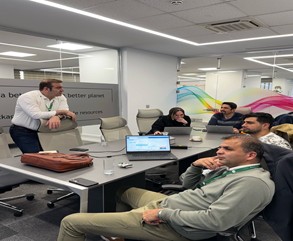
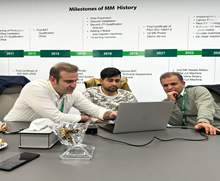
Leveraging the deep technical expertise and advanced development capabilities of the SFP team, tailored solutions were designed and implemented to address each of the identified challenges. These solutions are now fully integrated and operational within the material planning software.
For example, to manage the complexity of multiple BOMs over time, a scheduling module was developed. This feature enables users to define activation and deactivation timelines for each BOM. At the designated time, the system automatically switches to the appropriate BOM without manual intervention. This automation significantly reduces the risk of human error—such as an operator forgetting to update the BOM—and ensures greater accuracy and reliability in the planning process.
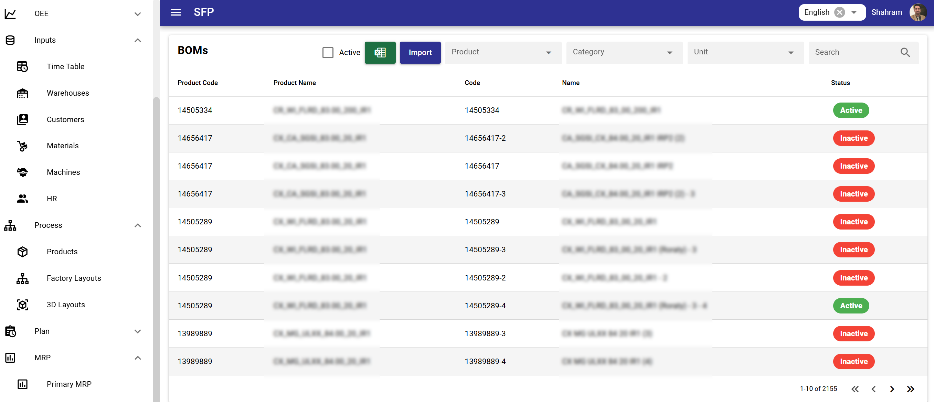
To address the presence of alternative materials within BOMs, the software introduces a prioritization mechanism. For example, in the production of a specific shade of purple, blue pigment is required. If two types of blue pigment from different suppliers are available in inventory—and both are listed in the BOM—the system must determine which one to use and which to reorder.
This challenge is resolved through BOM prioritization. Planners can group interchangeable materials and assign usage and ordering priorities within each group. The system then automatically selects the preferred material based on the defined hierarchy, ensuring consistency, reducing manual decision-making, and minimizing procurement errors.
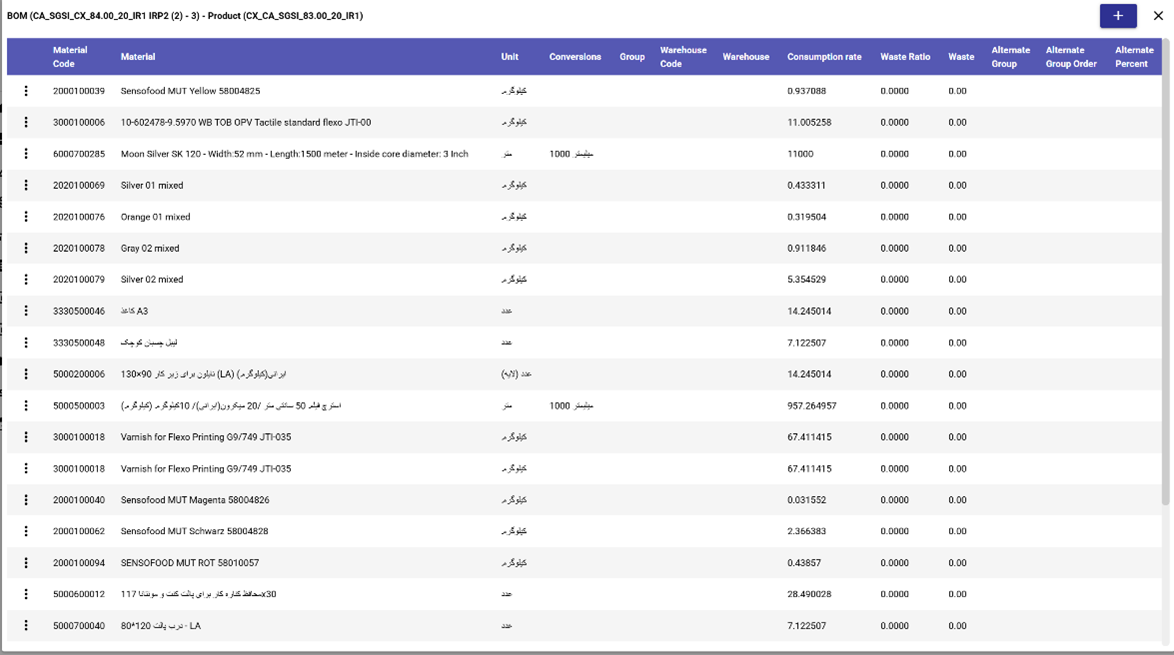
Additionally, the software incorporates the SFG (Semi-Finished Goods) process. Based on their consumption rates in final products, these items are assigned sales forecasts. Subsequently, using their respective BOMs, the required raw materials are calculated, and the ordering process is completed accordingly.
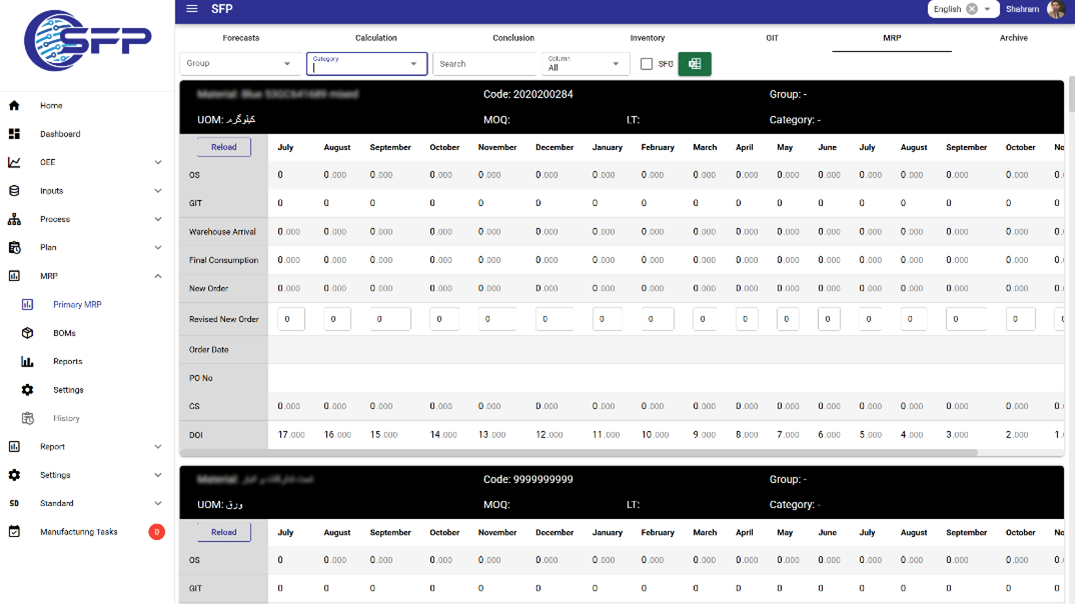
The software is designed to support a variety of inventory management policies. Users can select their preferred policy, upon which the system automatically recalculates material requirements and adjusts the ordering process accordingly. This flexibility ensures that planning remains aligned with the organization’s operational strategy while minimizing manual effort and potential errors.
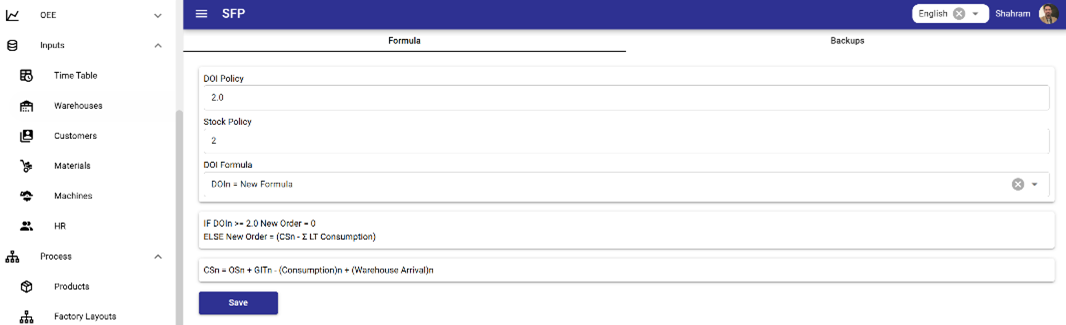
The software is designed to support a variety of inventory management policies. Users can select their preferred policy, upon which the system automatically recalculates material requirements and adjusts the ordering process accordingly. This flexibility ensures that planning remains aligned with the organization’s operational strategy while minimizing manual effort and potential errors.
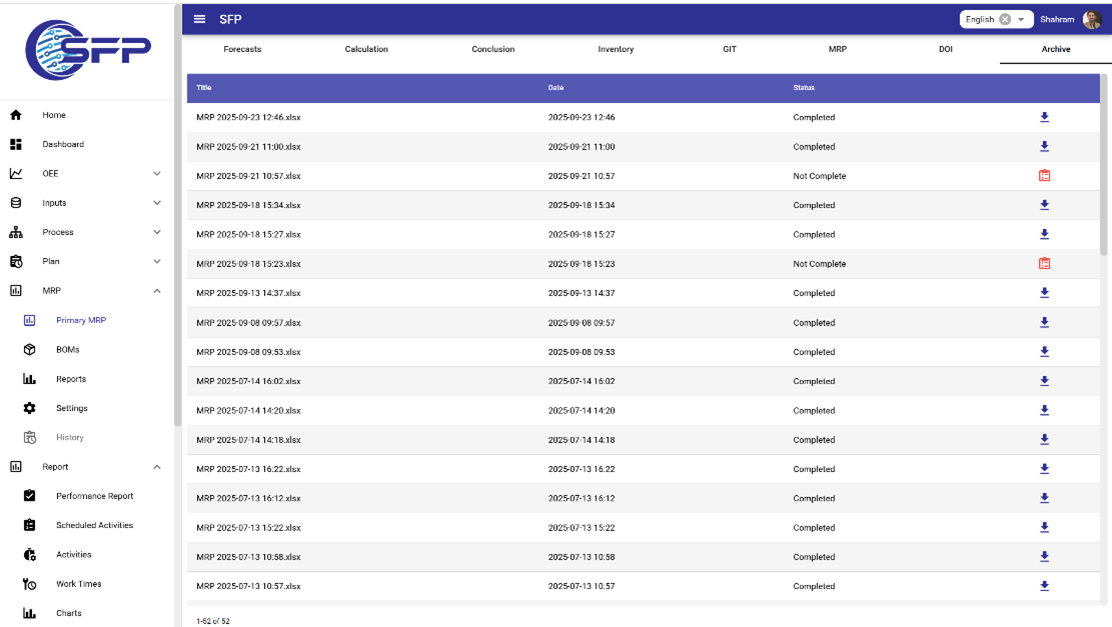
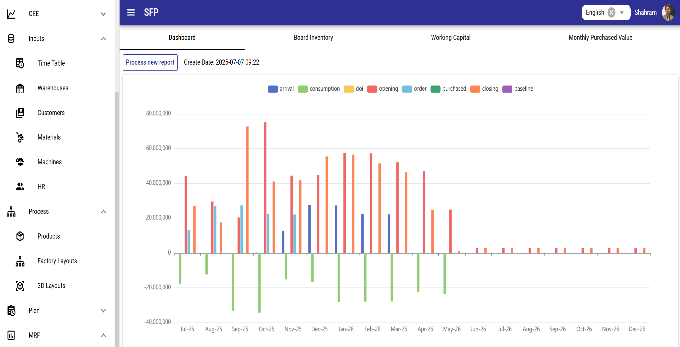
One of the core strengths of this software lies in its full transparency across all stages of the MRP process—from converting finished products into raw material requirements to cumulative calculations of material quantities. Every step is traceable and visible, allowing users to monitor the process and investigate any discrepancies, which are naturally expected in complex planning environments.
The software also offers seamless integration with all ERP systems and third-party platforms, ensuring ease of use. Moreover, it minimizes human intervention—often a source of error in data-sensitive operations—thus enhancing accuracy and reliability.
Project Implementation Phases
- Assessment and Software Analysis : This is the most critical phase in the software development process at SFP. It involves multiple in-depth sessions between SFP experts and the client’s team, often spanning several months. The outcome is a comprehensive blueprint document, which serves as the official execution plan for the project.
- Customization and Localization : Staying true to our commitment to software localization, this phase focuses on tailoring the solution to the client’s specific needs. The software is designed with custom features that reflect the unique operational requirements of each organization.
- Development and Execution : During this phase, coding and system development begin. Weekly meetings with the client are held to share progress updates and incorporate any necessary changes early in the process, ensuring alignment and agility.
- Infrastructure and Ecosystem Integration : Existing infrastructure and technical requirements are reviewed in collaboration with the client’s IT department. Necessary components are designed and prepared to ensure smooth deployment.
- Deployment and Delivery : Upon completion of all prior phases, the software is delivered to the client for initial testing and review, marking the beginning of operational rollout.
- Support and Updates : Given that the software is custom-built for MM Company, ongoing support and updates are an integral part of the solution. When new requirements or overlooked needs are identified by the client, the development team implements the necessary changes and integrates them into the live system, ensuring continuous alignment with operational demands.
Outcomes of MRP Software Implementation
The deployment of the MRP software at MM Company led to significant improvements across multiple operational dimensions:
- Time Saving : The software enabled planning specialists to reduce the time spent on executing MRP scenarios from 3–4 days to just one day. In cases where a single scenario is used, the system performs calculations in a fraction of a second, requiring only a quick validation check by the planner.
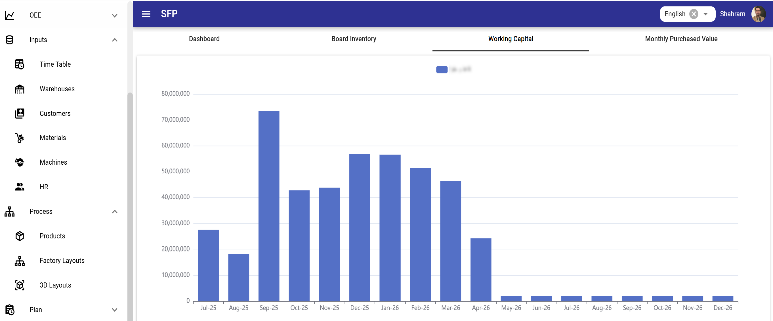
- Streamlined Cost and Order Tracking : The connection between procurement orders and their associated costs has been greatly simplified. Financial reports are now automatically updated in parallel with MRP execution, providing senior management with timely insights and freeing up approximately one full day of planning team resources.
- Flexible and Frequent Execution : Thanks to the system’s speed and automation, MRP can now be executed at any time during the month and as often as needed. Each run is archived for future reference. Previously, due to heavy reliance on manual processes, MRP was performed only once at the beginning of each month. Now, order calculations are completed in seconds.
- Reduction in Human Error (Up to 90%) : Human error has been minimized by up to 90%. Planners only need to upload essential inputs—such as raw material availability, forecasts, and in-transit items—into the system. If integrated with the organization’s ERP, these data points are automatically imported. The software then performs all calculations based on the selected planning policy, significantly reducing manual intervention and the risk of error.